Article
What veterinary imaging software can do for your practice
Digital radiography is only as effective as the software that supports it. While attention is often placed on diagnostic imaging hardware, veterinary imaging software/PACS also plays a critical role in how efficiently images are reviewed, shared, interpreted, and acted upon.
A veterinary PACS can do more than store images. It helps teams identify quality issues early, enhance diagnostic detail, streamline collaboration with specialists, and integrate seamlessly into the practice’s diagnostic workflow. When imaging software falls short, inefficiencies, delays, and diagnostic limitations often follow.
Dr. Emma Turner, MSc, DVM
June 2, 2026
Key takeaways
- Imaging software is more than storage, it’s a diagnostic partner. Modern veterinary imaging software supports image quality review, comparison, and enhancement to help teams identify issues early and interpret studies with confidence.
- Appropriate software can help prevent common imaging errors. Reference images and workflow guidance enable more complete diagnostic studies on the first attempt.
- System-integrated sharing streamlines specialist collaboration. Direct submission to board-certified radiologists—keeping images and clinical context together—reduces friction and allows for timely interpretation.
- Future-ready platforms support flexible, connected workflows. Cloud-based access, system integrations, and thoughtfully applied technology help practices work efficiently today while adapting to evolving diagnostic needs.
Here are some capabilities veterinary teams often look for in a modern, high-performing imaging software solution.
1. Image quality review, comparison, and enhancement at the point-of-care
Diagnostic confidence depends on clear, well-presented images. Imaging software can support clinicians and technicians in assessing image quality before submission and interpretation.
Veterinary imaging software can provide the following:
- Advanced image enhancement tools to adjust contrast, brightness, and sharpness
- Side-by-side image comparison to evaluate progression, symmetry, or subtle changes
- Access to reference images for comparison to determine when radiographs are normal vs. abnormal
- Hanging protocols that support consistent review across users
These capabilities help teams identify positioning or exposure issues early, reducing retakes, and minimizing unnecessary radiation exposure.
2. Built-in support for accurate positioning and complete studies
Positioning errors and incomplete studies remain common barriers to confident interpretation. Imaging software can play a more active role in helping prevent these issues rather than only archiving them.
Many teams look for PACS software that supports these:
- Easy identification of missing views or anatomy
- Standardized workflows that help less-experienced users capture complete, diagnostic studies
- Reference library containing normal radiographs for comparison
When imaging software reinforces consistent workflows, teams are more likely to capture complete, high-quality studies on the first attempt.
3. Seamless image sharing to board-certified specialists
As board-certified specialist services become more integrated into daily practice, imaging software plays an important role in making collaboration with specialists fast, simple, and reliable.
An effective veterinary imaging software solution can:
- Enable direct case submission for veterinary radiology interpretation.
- Allow images, annotations, and clinical history to travel together.
- Eliminate duplicate uploads or system switching.
- Streamline workflows by plugging completed reports and annotated images back into the PACS software after radiologist interpretation.
- Support efficient follow-up communication.
When image sharing is intuitive and integrated, consults move faster and radiologists receive clearer context for interpretation.
4. Efficient workflow integration across the practice
Imaging software can connect rather than complicate the diagnostic workflow. Disconnected systems, manual entry, and extra steps slow teams down and increase the risk of errors.
Many practices look for imaging software that integrates with the following:
- Digital radiography systems
- Practice information management systems (PIMS)
- Teleconsultation platforms
A connected workflow reduces friction, supports consistency, and frees up time for patient care rather than administrative tasks.
5. Access anywhere, collaboration everywhere
Modern veterinary practices require flexibility. Imaging software can support collaboration across rooms, roles, and locations.
Key capabilities include these:
- Secure, cloud-based access to imaging studies
- Multidevice compatibility for in-practice or remote review
- Easy sharing with referral partners or specialists
This flexibility supports faster decision-making and continuity of care.
6. A platform built for today and tomorrow
Imaging software benefits from evolving alongside the practice. As diagnostic needs grow and technology advances, veterinarians often look for PACS systems to support innovation without compromising interpretation.
Future-ready veterinary imaging software includes:
- Thoughtful use of AI to support image review and workflow efficiency.
- Transparency around how AI is applied.
- Ongoing enhancements based on veterinary workflows rather than adaptation from human imaging technology can enhance efficiency while keeping clinical assessment firmly in the hands of veterinary professionals.
Supporting smarter imaging with IDEXX Web PACS
By connecting imaging review, sharing, and interpretation into one unified workflow, IDEXX Web PACS helps practices address imaging inefficiencies at their source. Advanced image enhancement, reference libraries, and comparison tools allow teams to assess image quality before submission and interpretation. Built-in workflows support complete studies, while streamlined sharing enables faster access to IDEXX Telemedicine Consultants for veterinary radiology interpretation.
When paired with IDEXX digital radiography systems and telemedicine services, IDEXX Web PACS helps practices reduce retakes, improve diagnostic clarity, and move from images to answers more efficiently, supporting positive outcomes for both patients and teams.
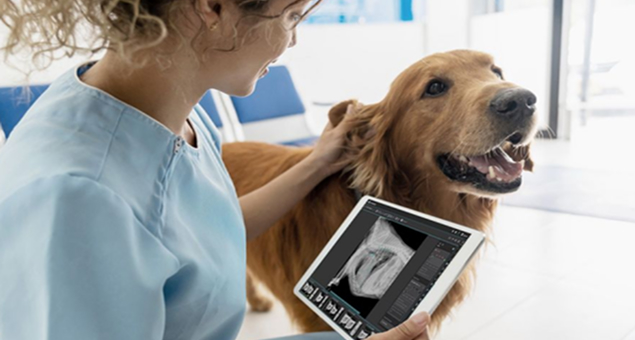
Looking to get more from your veterinary imaging software?
Learn how IDEXX Web PACS, integrated with IDEXX imaging systems and telemedicine, can support clearer images, more efficient workflows, and greater diagnostic confidence.

Dr. Emma Turner, MSc, DVM
Emma Turner, DVM, MSc, is a veterinarian, published researcher, and medical education leader with more than 20 years of experience spanning clinical practice, academia, regulatory service, and industry. In her current role with IDEXX Diagnostic Imaging and IDEXX Telemedicine Consultants, she leads an education program dedicated to enhancing diagnostic imaging skills and optimizing workflows for veterinary teams worldwide. A former practice owner and professor, she has contributed to provincial regulatory committees in British Columbia and Ontario.