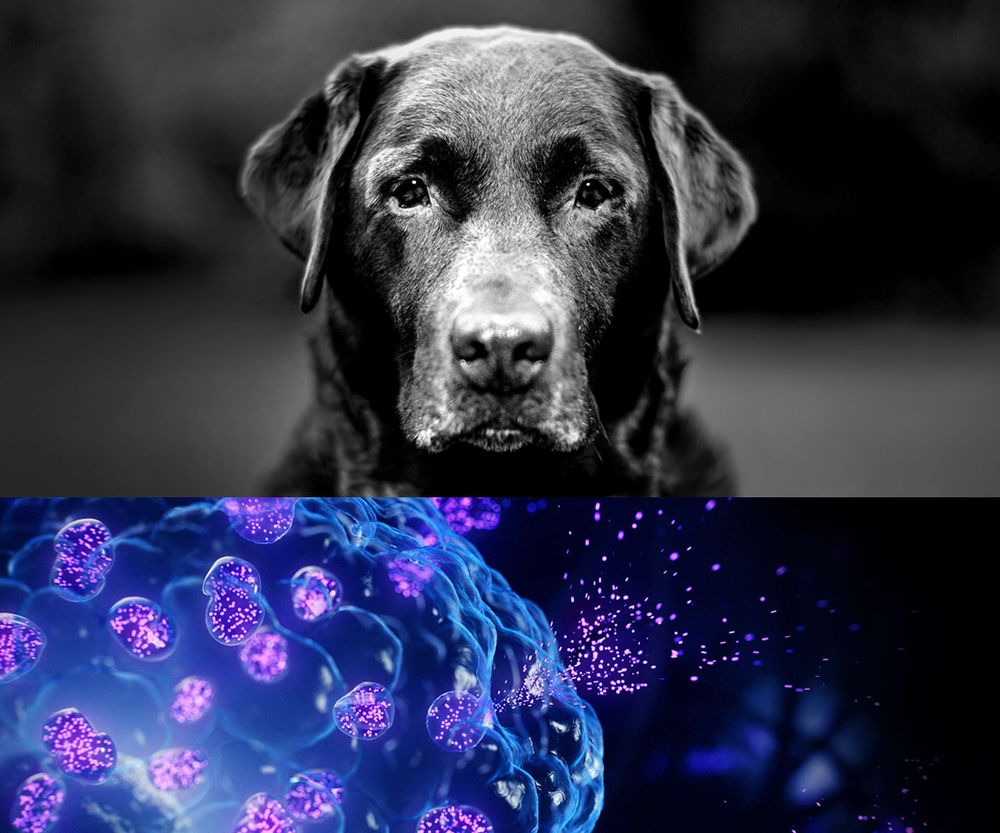
IDEXX Cancer Dx testing
Broader cancer screening starts here. With mast cell tumor testing now included alongside lymphoma, the expanded IDEXX Cancer Dx Panel helps you screen for more cancers through one trusted solution, giving you greater confidence with every wellness visit.
Find more of what you can’t see.
Cancer is a leading cause of death in canines, with 1 in 4 dogs in the U.S. expected to be diagnosed with cancer in their lifetime.1 With 73% of pet owners interested in having a cancer screening panel for their pet, now you can offer them one.2
The revolutionary technology behind the IDEXX Cancer Dx Panel detects proprietary biomarkers specific to canine lymphoma and mast cell tumors, accounting for more than 1/3 of canine cancer cases.3
Turn early detection into early action with the IDEXX Cancer Dx Panel.
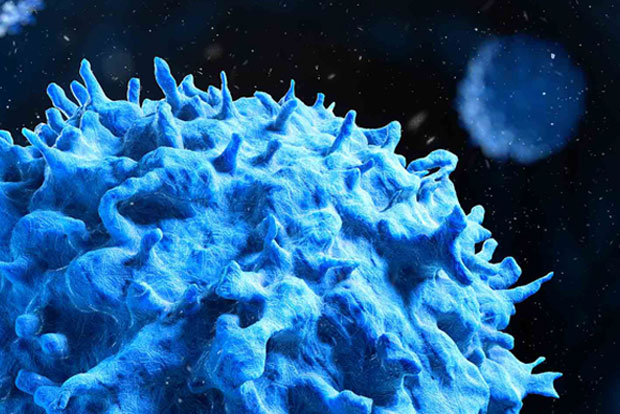
Lymphoma
Screen for lymphoma before clinical signs appear to support earlier investigation and informed next steps.
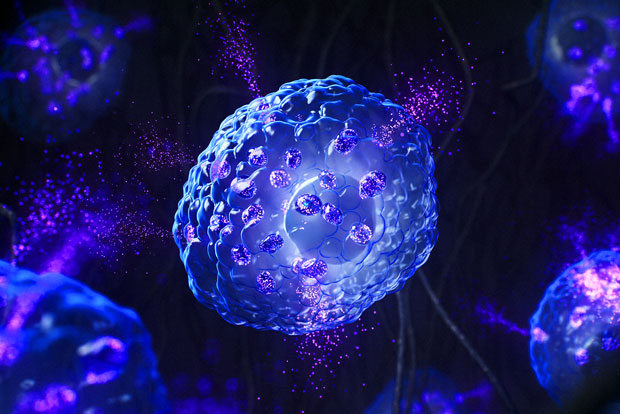
Mast cell tumor
Help support earlier investigation and intervention of clinically aggressive mast cell tumors with results that help prioritize timely clinical action.
Growing panel
Our commitment to early cancer detection continues to drive innovation and expand what’s possible.
More detection.
More direction.
Whether you’re screening at-risk dogs† as part of routine wellness care or investigating clinical signs, the IDEXX Cancer Dx Panel can help find more even before symptoms appear, giving you greater clarity and confidence for what comes next.
Know more. Do more.
Get a broader view of your at-risk patients. The expanded IDEXX Cancer Dx Panel now helps detect mast cell tumors in addition to lymphoma to allow veterinarians to find more than meets the eye.
- Support earlier clinical intervention.
- Screen with greater confidence.
- Get clear results with guided next steps.
- Integrate seamlessly into your current workflow.
The science behind results.
The IDEXX Cancer Dx Panel combines proprietary biomarkers with validated scientific evidence to help detect both lymphoma and mast cell tumors. The result is broader cancer screening supported by trusted technology and clinically actionable insights.
- Proprietary biomarkers for lymphoma and mast cell tumors
- Validation through thorough scientific research
- Highly specific, clinically actionable results
- Expert guidance to support confident next steps
Confidence you can act on.
99% specific for both canine lymphoma and mast cell tumors - so a positive result is worth acting on. Sensitivity is 79% for lymphoma and 22-41% for mast cell tumors, focused on catching the aggressive cases that matter most. In screening, that means more dogs get meaningful insight, and a negative result is highly likely to reflect true absence of aggressive disease.
Confident next steps.
Rather than providing a vague risk score, the IDEXX Cancer Dx Panel helps determine whether results are positive for a lymphoma or mast cell tumor signal, so you can focus on what comes next.

- Binary results, not vague risk scores
- Results consistent with lymphoma, mast cell tumor, or neither
- Clear guidance to help prioritize diagnostics and next steps
- Expert-developed algorithms to support clinical decision-making
- Updated interpretation guidance for clinically well patients
Built on proven science.
Every IDEXX Cancer Dx Panel result is backed by validated science and our ongoing commitment to advancing early cancer detection.

- Developed and validated by IDEXX through thorough scientific research.
- Supported by ongoing clinical studies that continue to strengthen the evidence and expand the clinical utility of the IDEXX Cancer Dx Panel.
Action starts with guidance.
Clinical guidance, educational resources, and expert support help you confidently interpret results and determine the next step in your patient’s care.

- Expert consultation, educational resources, and interpretive guidance support confident clinical decisions.
- Clear guidance helps teams quickly integrate the IDEXX Cancer Dx Panel into routine practice.
- Ongoing education and support help build confidence with every case.

We added deeper insights to your preventive care offering.
Cancer Dx testing is now available to add to your preventive care diagnostics for at-risk dogs.† IDEXX Preventive Care helps you tailor recommendations for every patient's needs. It's a comprehensive solution that includes a team of experts and powerful tools to spot trends and interpret patient results.
Before you can fight cancer, you have to find it.
Some dog breeds have a higher risk of lymphoma and mast cell tumors.4 We recommend screening at-risk dogs, including all dogs aged 7 years or older and dogs of high-risk breeds—especially the breeds listed below—aged 4 or older.
| Beagle Bernese mountain dog Boston terrier Boxer Bullmastiff Chinese pug Doberman pinscher English bulldog Flat-coated retriever French bulldog German shepherd Golden retriever |
Irish wolfhound Labrador retriever Miniature schnauzer Pembroke Welsh corgi Rhodesian ridgeback Rottweiler Scottish deerhound Scottish terrier Shar-pei Siberian husky Weimaraner |

Put our cancer portfolio to work.
We've developed a full suite of diagnostic tools for treatment, monitoring, management, and support for every stage of veterinary oncology.
Support
Resources
Access IDEXX Cancer Dx testing resources, including diagnostic updates, white papers, guides, blog articles, links to webinars and courses, and more.
Directory of Tests and Services
Browse the online Directory of Tests and Services to see a comprehensive list of offerings from IDEXX Reference Laboratories.
Medical consultants
Direct live access and personalized guidance from our team of IDEXX experts, including our Diagnostic Support Technicians, Diagnostic Support Veterinarians, and board-certified veterinary specialists.
†At risk dogs include all dogs ≥ 7 years old and high-risk breeds ≥ 4 years old.
References
- What are the most common types of cancers in dogs? How many dogs typically get cancer? Veterinary Cancer Society; 2021. Accessed November 6, 2025. www.vetcancersociety.org/pet-owners/faqs
- Data on file at IDEXX Laboratories, Inc. Westbrook, Maine USA: IDEXX quantitative research with dog owners, May 2024 (n = 480).
- Vail DM, Pinkerton M, Young KM. Hematopoietic tumors. In: Vail DM, Thamm DH, Liptak JM, eds. Withrow and MacEwan’s Small Animal Clinical Oncology. 6th ed. Saunders; 202:688-772. doi:10.1016/B978-0-323-59496-7.00033-5
- Data on file at IDEXX Laboratories, Inc. Westbrook, Maine USA: Data based on testing performed at IDEXX Reference Laboratories in North America between November 1, 2024, and December 6, 2024. Analysis Report: IDEXX Cancer Dx Validation, 10082 [008_CancerDx-Validation-Report-2.Rmd].