Article
A closer look at effective veterinary teleconsultation partnerships
In today’s veterinary landscape, teleconsultation has become essential for delivering timely, expert-supported diagnostics. Whether teams need help with radiology, cardiology, internal medicine, dentistry, or dermatology, access to remote specialists allows practices to improve patient care, strengthen workflow efficiency, and provide informed recommendations with confidence. Here are some core attributes of an effective veterinary teleconsultation partnership.
Dr. Emma Turner, MSc, DVM
April 21, 2026
Key takeaways
- Veterinary teleconsultation partners have a key role in driving diagnostic confidence, giving veterinary teams timely access to board-certified specialist insight that supports informed, consistent decision-making.
- Seamless workflow integration is critical, with optimal teleconsultation tools embedding directly into imaging and practice management systems to reduce clicks and speed up case submission.
- Transparency in pricing and support reduces administrative friction, allowing veterinary teams to focus on patient care rather than cost confusion or technical challenges.
- Thoughtful innovation from teleconsultation partners enhances efficiency while keeping clinical expertise at the center of care.
1. High-quality, actionable clinical expertise
Veterinary teleconsultation can offer clear, clinically relevant insights that support confident and consistent decision-making.
What to look for:
- Access to board-certified specialists across radiology, cardiology, internal medicine, dentistry, dermatology, and other key disciplines.
- Reports that include findings, conclusions, differentials, and recommended next steps.
- A structured quality assurance guarantee, ensuring consistency across all interpretations.
Strong, multidisciplinary clinical expertise forms the foundation of effective teleconsultation.
2. Workflow integration that reduces friction
Teleconsultation can enhance the diagnostic process rather than slow it down.
What to look for:
- Seamless integration with PACS veterinary imaging software and PIMS.
- Fast, reliable case submission with minimal steps.
- Easy access to reports and follow-up communications.
A well-aligned teleconsultation partner fits naturally into daily operations, helping teams move efficiently from imaging to diagnosis to treatment.
3. Reliable coverage and predictable turnaround times
Veterinary care often extends beyond regular hours. Teleconsultation support can help meet the round-the-clock needs of patients, pet owners, and the teams caring for them.
What to look for:
- 24/7/365 availability for routine, urgent, and STAT consultations.
- Clear turnaround-time expectations supported by a robust, scalable specialist network.
- The ability to support overflow cases, even when a practice has on-site specialists.
Dependability helps practitioners manage urgent cases and set accurate expectations for clients.
4. Transparent pricing and responsive support
Clear, consistent, and easy-to-understand costs and support structures help reduce friction for veterinary teams.
What to look for:
- Straightforward pricing for routine, STAT, and after-hours interpretations.
- A transparent fee structure for follow-ups and questions.
- Knowledgeable technical support for troubleshooting submissions and platform issues.
When service is transparent, teams can stay focused on patient care rather than administrative hurdles.
5. Innovation that supports veterinary teams
Advances in AI and diagnostic imaging can enhance workflow while keeping expert oversight at the core.
What to look for:
- Thoughtful integration of AI veterinary radiology tools to improve efficiency.
- Clarity around how AI is used in case handling.
- Board-certified specialist review across all interpretations.
- Ongoing platform enhancements shaped by veterinary needs.
When service is transparent, teams can stay focused on patient care rather than administrative hurdles.
What a high-performing teleconsultation partner delivers
Ultimately, the ideal partner acts as an extension of the veterinary team, delivering:
- Accurate, consistent radiology interpretations with clear recommendations.
- Integrated workflows that save time and reduce friction.
- Reliable access to a global network of specialists.
- Clear pricing and responsive support.
- Thoughtful technology backed by board-certified expertise.
IDEXX teleradiology: what veterinary teams can expect
Extensive clinical expertise
- 160+ board-certified specialists across radiology and additional disciplines
- 100% of reports that are quality monitored and backed by the IDEXX Telemedicine Consultants Quality Guarantee
- Reports with clear findings, conclusions, and next steps
Integrated, time-saving workflows
- Embedded consult requests directly within IDEXX Web PACS™ Software
- Interpretive reports available within the same platform
- Fewer clicks and faster case submission
Consistent availability and turnaround
- 24/7/365 coverage with reliable, consistent, and on-time service
Transparent pricing and trusted support
- Clear turnaround times, service levels, and pricing
- Access to education and resources across the imaging workflow, from capture to interpretation
- Complimentary radiation safety tools and trainings to support safer imaging
Innovation with human oversight
- Thoughtful AI features that streamline case submission and positioning
- Human specialist review on every interpretation
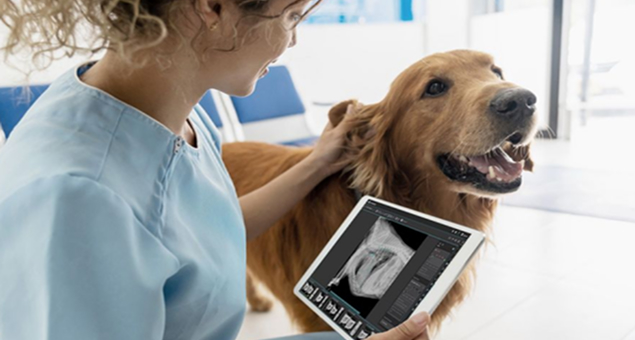
Explore IDEXX Telemedicine Services
See how IDEXX delivers the expertise, integration, and reliability that veterinary teams should expect from a trusted teleconsultation partner.

Dr. Emma Turner, MSc, DVM
Emma Turner, DVM, MSc, is a veterinarian, published researcher, and medical education leader with >20 years of experience spanning clinical practice, academia, regulatory service, and industry. In her current role with IDEXX Diagnostic Imaging and Telemedicine Consultants, she leads an education program dedicated to enhancing diagnostic imaging skills and optimizing workflows for veterinary teams worldwide. A former practice owner and professor, she has contributed to provincial regulatory committees in British Columbia and Ontario.